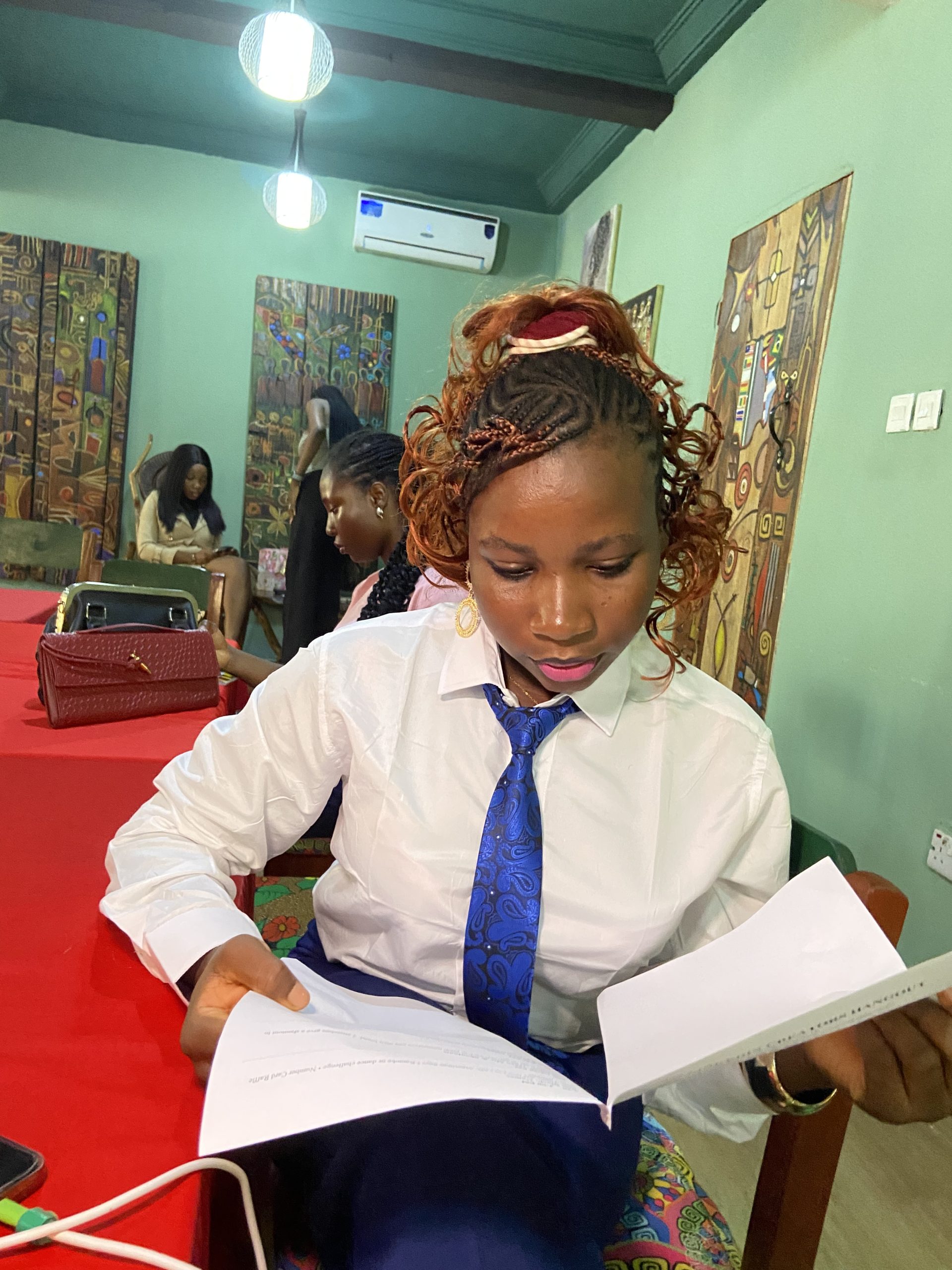
A Saturday afternoon, a room full of creators, honest conversations about visibility and work, and a reminder that sometimes the most valuable thing LinkedIn can give you is a person sitting across the room.
There is a particular kind of excitement that comes with finally meeting someone you have known only through the internet.
You have probably seen their face hundreds of times. You know their name. You recognise their writing style. You have liked their posts, read their stories, dropped comments under their content and perhaps even exchanged a few messages with them, but somehow you have never actually had the opportunity to sit across from them and have a real conversation.
Then one day, you walk into a room and there they are.
Not a profile picture.
Not a username.
Not another name appearing on your LinkedIn notifications.
A real person.
That was part of what made the 042 LinkedIn Creators Hangout, held on Saturday, 12 September 2026, in Enugu, so special.
For a few hours, LinkedIn came off the screen.
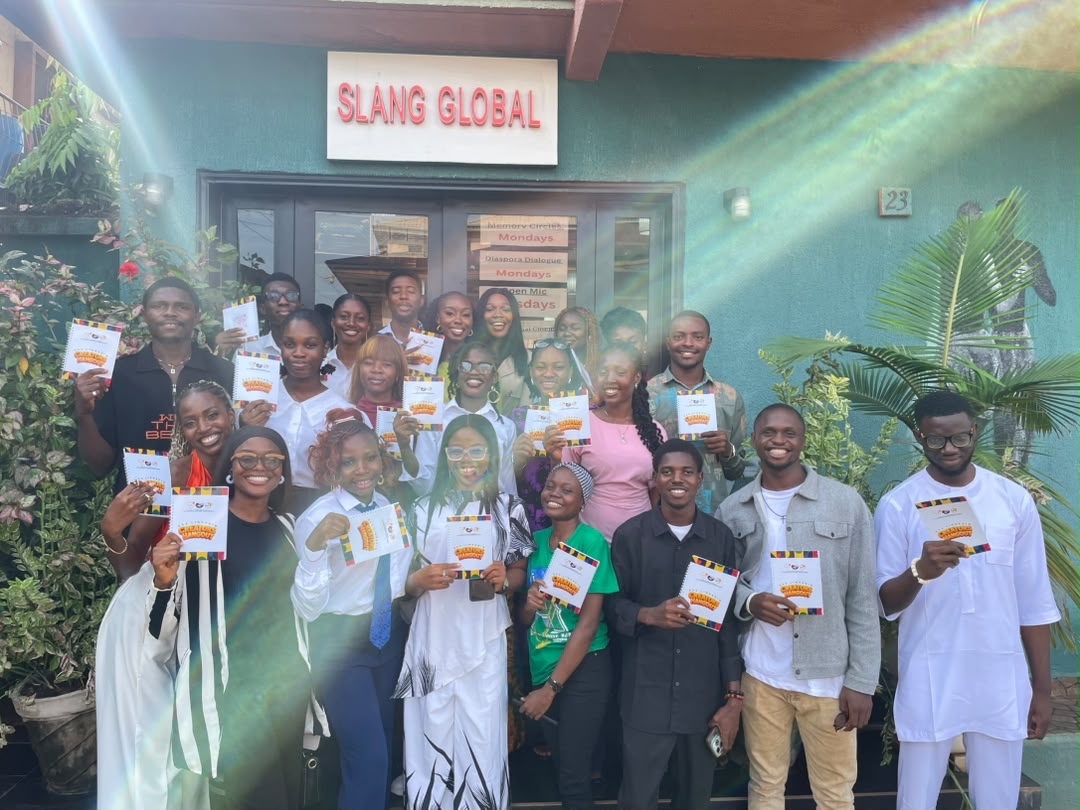
The people behind the profiles met one another, creators who had been engaging online finally had conversations in person, professionals exchanged ideas, services were pitched, experiences were shared, photographs were taken, laughter filled the room, and a community that had largely existed online began to feel much more tangible.
It was not simply another event where people gathered, listened to speakers and went home.
It felt like the beginning of something.
And perhaps that is the most interesting part of the story.
The event was not really about LinkedIn.
It was about people using LinkedIn to find people.
It started with an idea that could easily have remained just an idea
Every community begins somewhere.
Sometimes it begins with a formal organisation, a large budget and months of planning.
Sometimes it begins with a few people saying, “Wouldn't it be nice if we actually met?”
The story of the 042 LinkedIn Creators Hangout appears to have started much closer to the second version.
Earlier in the year, a few creators began thinking about creating a physical gathering for LinkedIn creators in Enugu. The initial idea was even given another name, The Coal City Creator Circle, before eventually becoming the 042 LinkedIn Creators Hangout.
The problem was not whether there were creators in Enugu.
There clearly were.
The bigger question was where they could come together.
The organisers wanted somewhere that felt creative, African and community-oriented rather than simply hiring a generic conference room and putting chairs in rows.
That search eventually led to SLANG Global.
And that partnership changed the possibilities for the event.
SLANG Global did something that deserves to be remembered
There is a tendency to talk about sponsorship as though the only meaningful contribution an organisation can make is money.
But anyone who has ever tried to organise a community event knows that resources come in different forms.
Sometimes what you need most is not funding.
You need space.
You need someone willing to open a door.
You need an organisation willing to say, “We like what you are building. You can use our platform.”
That is what made the relationship with SLANG Global particularly beautiful.
SLANG Global is an Enugu-based nonprofit focused on Spanish-language education, Afro-Latin cultural exchange and community development. Its work includes language classes, cultural programmes, creative activities and a digital creator space, making it a rather fitting home for a gathering centred around creators and professional visibility.
When the organisers were searching for a meeting point that could bring together culture, creativity, impact and community, SLANG Global turned out to be exactly the kind of space they were looking for.
And, as shared about the event, the creators were able to use the venue without paying for the space.
Think about what that means.
A group of people had an idea.
They wanted to bring creators together.
They did not have to begin by asking, “Can we afford the venue?”
Instead, an organisation opened its doors and provided the space.
That is sponsorship too.
In fact, sometimes it is one of the most meaningful forms of sponsorship because it says, We are not just giving you money to execute your idea; we are giving you somewhere to build it.
So, SLANG Global deserves its flowers.
Not because it simply provided a physical location, but because it participated in the creation of a room where people could meet, learn and potentially discover opportunities that may continue long after the event itself.
There is something beautiful about organisations making their spaces available for communities.
There is something even more beautiful when that support goes toward young professionals and creators who are building something from the ground up.
For the 042 LinkedIn Creators Hangout, SLANG Global was more than a venue.
It became part of the story.
And then there was Ifechukwu
Behind every successful community event is usually someone who decided to take the first uncomfortable step.
For this one, that person was Ifechukwu Okpukpara.
Before the physical hangout, Ifechukwu had already been experimenting with her own visibility and creator journey. She has openly talked about the period when LinkedIn was a place where she would post and disappear, and about the fear and uncertainty that came with becoming more visible.
Then something changed.
She started taking herself more seriously.
She started building.
She hosted a Visibility Fix Class, which attracted more than 130 people virtually, and that experience planted another thought in her mind: what would happen if some of those people who had been learning and interacting online could actually meet?
What would it feel like to replace comments with conversations?
What would happen if people could pitch their services to one another in the same room?
What if creators who had been encouraging one another online could sit together, laugh together and perhaps even find ways to collaborate?
That thought eventually became the 042 LinkedIn Creators Hangout.
The first edition was intentionally limited to 50 in-person slots, and the programme was designed around a panel session, networking, opportunities for attendees to pitch their services, games, prizes and refreshments.
It was scheduled for 1 PM to 6 PM on Saturday, 12 September, at SLANG Global in Enugu.
Five hours might sound like a long time for a creator hangout.
But when you put a room full of people who have something to say, something to sell, something to learn and someone they want to meet in one place, five hours can disappear very quickly.
And that was the idea.
Not simply to have people attend.
To give them enough room to connect.
Ifechukwu deserves real credit for that.
Because it takes courage to move from saying “Someone should organise this” to actually becoming the person who organises it.
There is always a difference between having an idea and taking responsibility for it.
The latter is where community building begins.
What made the panel different was that the conversation was practical
The panel was not simply a collection of people repeating the usual advice about “optimising your LinkedIn profile”.
The conversation went deeper.
It touched on visibility, networking, positioning, personal branding and one question that continues to bother many professionals:
Can you actually get work through LinkedIn?
The answer from the panel was essentially yes, but with an important qualification.
You cannot expect LinkedIn to work for you simply because you created an account.
You have to build something people can respond to.
That is where Ezugwu Cynthia Ogechi, one of the panel speakers, brought a particularly practical perspective into the room.
Cynthia has spent significant time working across sales, business development, lead generation, marketing, content strategy, project management and remote-work opportunities. Her professional work sits at the intersection of visibility and business opportunity, which made the conversation about turning LinkedIn into something more than a social platform particularly relevant.
There are still people who genuinely believe that LinkedIn is only useful for finding corporate jobs.
They open an account.
They add their university.
They upload their CV.
They connect with a few people.
Then they wait.
But that is not the only way LinkedIn works.
A freelancer can find a client there.
A consultant can attract a business there.
A salesperson can identify prospects there.
A founder can meet a potential partner there.
A professional can build credibility there.
A speaker can get invited through relationships built there.
A job seeker can become visible to recruiters before ever submitting an application.
And sometimes, someone can simply read what you have written and decide, “I want to talk to this person.”
That is what Cynthia was helping people understand.
The platform itself is not the strategy.
Your positioning, your content, your relationships and your ability to communicate value are what turn the platform into an opportunity engine.
There is a difference between being on LinkedIn and actually building on LinkedIn
This distinction is easy to overlook.
You can have a LinkedIn account without having a personal brand.
You can have connections without having a network.
You can have followers without having an audience that trusts you.
You can publish content without making it clear what you do.
And you can have a beautifully designed profile that still does not give anybody a reason to contact you.
Building on LinkedIn requires more intention.
What do you want people to associate with your name?
What problems do you solve?
What experience do you have that is worth sharing?
What kind of opportunities are you looking for?
Who are the people you want to meet?
What kind of conversations do you want to become known for?
Those questions matter because visibility without direction can become noise.
Cynthia's contribution to the panel was valuable precisely because she did not present LinkedIn as some magical platform where opportunities simply fall into your inbox.
She talked about using it intentionally.
Build your profile around what you actually want to be known for.
Create content that demonstrates your thinking.
Engage with people whose work aligns with where you are going.
Build genuine relationships.
Make it easy for people to understand your skills.
And when the opportunity comes, be prepared to have the conversation.
That is a much more realistic picture of LinkedIn.
Then Ajogwu Johnson brought another dimension to the conversation
Ajogwu Johnson was another of the panel speakers, and his own experience made him particularly relevant to the discussion.
Ajogwu is a marketing professional and creator whose work spans ghostwriting, lead generation, email marketing, growth marketing, digital marketing, brand consulting, marketing strategy and SEO.
His LinkedIn journey is itself a useful example of what happens when someone moves from simply consuming advice to developing a clearer professional identity.
He has publicly spoken about his early days on LinkedIn and the confusion that can come from hearing different pieces of advice from different people.
Post every day.
Don't post every day.
Tell stories.
Teach.
Sell.
Don't sell.
Be personal.
Be professional.
Use hooks.
Forget hooks.
It can become overwhelming.
Eventually, however, every serious creator has to stop trying to become a copy of somebody else and figure out what actually works for them.
That is where positioning becomes important.
Ajogwu's contribution to the panel helped bring the conversation back to the business side of visibility.
Because it is possible to become visible without becoming valuable.
It is possible to grow followers without building trust.
It is possible to create content that gets attention without creating content that attracts the right people.
The goal is not simply to make people notice you.
The goal is to make the right people understand why they should remember you.
That is a much more commercially useful form of visibility.
And then came Ezeji Hope Kennedy, with a story that showed just how broad LinkedIn can be
One of the things that made the panel interesting was the diversity of the people speaking.
Ezeji Hope Kennedy did not come into the conversation from a conventional “marketing guru” background.
She is a healthcare professional, a registered nurse, registered midwife and registered public health nurse, with a Bachelor of Nursing Science background, while also building experience around project management, community work and professional development.
And that is precisely why her story matters.
Because one of the biggest misconceptions about LinkedIn is that you have to become a content creator in the traditional sense before you can build a presence there.
You don't.
You can simply tell the story of the work you are already doing.
Hope has used LinkedIn to talk about her experiences in healthcare, project management, volunteering, community initiatives and professional growth.
She has shared practical stories about mobilising people for projects, building teams and learning through experience.
One of her public posts, for example, described how participation in a project grew from 40 people to 176 in three days and later to 364 participants in 14 days, while also generating stronger data for the Enugu State Clean Water Project.
That is a LinkedIn story.
Not because it is “content”.
Because it demonstrates something.
It demonstrates initiative.
It demonstrates project coordination.
It demonstrates communication.
It demonstrates community mobilisation.
It demonstrates results.
And that is what good professional storytelling does.
It takes something you have already done and helps other people understand the value of it.
Hope's own journey also reflects the importance of encouragement.
She has publicly appreciated people who supported her when she was still growing on LinkedIn, including people who commented on her posts, encouraged her and helped her feel seen.
That is an important reminder for anybody building online.
Sometimes the person who writes one thoughtful comment under your post does not realise what that comment means to you.
Sometimes one person telling you, “Keep going,” is enough to make you continue.
And eventually, you become the person telling somebody else the same thing.
That is how professional communities grow.
Chima Nelson understood the heart of the event
Then there was Chima Nelson, whose public post around the gathering captured one of the simplest truths behind the entire event.
You can spend months talking to somebody on LinkedIn without ever actually meeting them.
You can follow them.
Read their posts.
Comment under their work.
React to their stories.
You may even know what they do professionally.
But there is something different about finally meeting them.
Chima's own work as a graphic designer and brand strategist makes him particularly sensitive to the idea of how people are perceived and remembered.
Branding is, after all, partly about memory.
What do people remember when they encounter you?
What do they associate with your name?
What feeling do they have when they see your work?
What makes them recognise you?
Those same questions apply to personal branding.
And that is why Chima's presence in the broader event story makes sense.
The 042 Hangout was, in many ways, a physical expression of personal branding.
People who had been building their identities online finally met in person.
The digital impression became a human interaction.
And suddenly, somebody you had previously known as a “LinkedIn person” became a colleague, a friend, a potential collaborator or simply someone whose personality you now understood a little better.
That is powerful.
The room was not only about the people on stage
This is where I think event recaps often get it wrong.
They focus entirely on the speakers.
But a community event is not created by speakers alone.
The speakers create part of the conversation.
The attendees create the atmosphere.
And the relationships created between attendees may ultimately become the most valuable thing that comes out of the room.
There were creators there.
Professionals.
Founders.
Freelancers.
People building personal brands.
People trying to understand LinkedIn.
People who had already been active on the platform.
People who were still figuring things out.
People who wanted clients.
People who wanted collaborators.
People who simply wanted to meet the people they had been seeing online.
That diversity is important.
Because the value of a room increases when people come into it with different experiences.
A designer may meet a marketer.
A marketer may meet a founder.
A founder may meet a sales professional.
A healthcare professional may meet a project manager.
A freelancer may meet someone who needs exactly the service they offer.
A content creator may meet a business owner who has been looking for someone to tell their story.
None of those things can be guaranteed.
But they become possible when people are brought together.
That is why networking matters.
Not because every handshake immediately becomes a contract, but because relationships create possibilities.
And there was something especially Nigerian about the atmosphere
There is a certain warmth that comes when Nigerians gather around an idea they genuinely care about.
You can plan an agenda.
You can put timings on the flyer.
You can write down the programme.
But once people enter the room, something else happens.
People start talking.
Someone introduces someone.
Someone says, “Ah, I have been seeing your posts!”
Another person says, “Wait, you're the one that wrote that post?”
Someone laughs.
Someone asks what you do.
Someone tells you about a project.
Someone gives you a contact.
Someone takes a picture.
Someone says, “Let's work together.”
And somewhere in between all of that, the formal event becomes a genuine community gathering.
That is what makes intimate events special.
You are not simply sitting in a room watching a stage.
You are part of the room.
The choice of 50 people was actually quite smart
Imagine trying to have a meaningful networking experience with 500 people in one room.
It can happen, but it is difficult.
With 50 people, there is a much greater chance that you can actually speak to several people properly.
The organiser had specifically announced that only 50 in-person slots were available.
That limitation created a sense of intimacy.
It also meant the people who came were more likely to be intentional.
They were not simply passing through a massive conference.
They had registered for a creator-focused gathering because they wanted to be there.
That makes a difference.
When people come into a room intentionally, conversations become easier.
And then there was the pitching
This is another part of the event that deserves attention.
The organisers did not only plan for people to network casually.
Attendees were also given an opportunity to pitch their services.
That is important because many professionals know how to talk about what they do online but become uncomfortable when it is time to actually introduce their services to another person.
Yet professional visibility has to connect to commercial reality eventually.
If you are a designer, people should know you are available for design work.
If you are a consultant, people should understand the problems you solve.
If you are a writer, people should know what kind of writing you provide.
If you are a marketer, people should know the type of marketing problems you help businesses address.
If you are a virtual assistant, people should understand the systems and tasks you can take off a business owner's plate.
Networking is not about aggressively selling to everyone you meet.
But hiding your work completely is not networking either.
You have to be willing to say:
“This is what I do.”
That is not desperation.
That is clarity.
The event also gave people something social media cannot always give them: context
Online, you see fragments of people.
A post.
A photograph.
A comment.
A video.
A headline.
But you don't necessarily know the whole person.
You don't know how they speak when they are excited.
You don't know how they respond when somebody asks a difficult question.
You don't know whether they are funny.
You don't know how they treat people when nobody is watching.
You don't know how they listen.
Physical gatherings give you context.
And context makes relationships stronger.
This is why I keep coming back to the idea that LinkedIn is not really about LinkedIn
The platform is simply the infrastructure.
The real value is the network.
Think about what happens when you build a strong professional presence online.
People begin to recognise you.
They begin to understand your work.
They begin to trust your perspective.
They begin to remember your name.
Then you meet some of those people offline.
Now the relationship has another layer.
You have context.
You have shared experiences.
You have a memory.
You have something to talk about.
That can make collaboration much easier.
So the real journey is not:
Post → viral → money.
It is much more human than that.
You show up, people discover you, conversations begin, relationships develop, trust grows and eventually opportunities emerge.
Sometimes quickly.
Sometimes months later.
Sometimes from someone you did not even expect.
But the relationship came first.
This is also why the 042 Hangout matters to Enugu
For years, there has been a tendency to imagine that the biggest professional opportunities have to come from somewhere else.
Lagos.
Abuja.
Port Harcourt.
London.
Dubai.
The United States.
And of course, people should connect globally.
But there is something important about building strong professional ecosystems where you already live.
Enugu has creators.
Enugu has founders.
Enugu has professionals.
Enugu has young people learning technology.
Enugu has freelancers.
Enugu has people building companies.
Enugu has people working remotely for organisations around the world.
What happens when those people begin to know one another?
What happens when a founder knows three good designers?
What happens when a marketer knows a talented developer?
What happens when a student meets a professional who can mentor them?
What happens when a freelancer finds a business owner who needs their services?
What happens when a healthcare professional meets a technology professional and they discover an idea neither of them could have built alone?
That is how ecosystems develop.
Not overnight.
Not because somebody declares that a city is an ecosystem.
But because people keep meeting.
042 Is More Than a Number
There is also something symbolic about calling the event 042.
For anyone familiar with Enugu, the number immediately carries a sense of place.
It says Coal City.
It says Enugu.
It says this is happening here.
And that matters.
Because the event was not another attempt to copy something happening somewhere else.
It was a local community saying:
We are here too.
We can build here.
We can create here.
We can network here.
We can learn from one another here.
We can invite people into our own rooms.
And we can use the internet to take what we build here to the rest of the world.
That is a powerful mindset.
The People Who Made the Room Possible
It would be impossible to mention every person who attended the event, especially because the gathering was intentionally designed around a relatively small group of creators and professionals.
But some names are worth highlighting because of their visible connection to the wider event conversation.
Ifechukwu Okpukpara was the organiser who turned the idea into reality and created the room.
Ezugwu Cynthia Ogechi brought the perspective of business growth, professional visibility, lead generation and turning LinkedIn into a source of actual opportunities.
Ajogwu Johnson brought his experience in marketing, positioning, content and growth.
Ezeji Hope Kennedy brought the perspective of healthcare, project management, community building and the importance of telling the story of the work you already do.
Chima Nelson brought the perspective of design, branding and the importance of becoming memorable.
Ruth Moses, with her substantial creator community and work around content strategy and personal branding, was also part of the wider online conversation amplifying the event.
And then there were the people who did not necessarily stand on the stage but still made the event what it was.
The people who registered.
The people who reposted the flyer.
The people who invited friends.
The people who showed up.
The people who asked questions.
The people who pitched their services.
The people who took pictures.
The people who had conversations in the corners of the room.
Those people matter.
Because community is never one person.
The Organiser's Own Story Makes the Event Even More Beautiful
There is a line in Ifechukwu's journey that I think deserves attention.
She has spoken openly about being afraid of speaking up, taking a public-speaking course, eventually hosting a virtual class with more than 130 attendees and then moving into hosting her first physical event.
That progression is important because it shows what visibility actually looks like.
It is rarely a straight line.
People often see someone hosting an event and think:
“She must be naturally confident.”
Maybe.
But sometimes the person on the stage is the same person who used to be terrified of speaking.
The difference is that they decided to act anyway.
And that is one of the strongest messages behind this entire gathering.
You do not have to wait until fear disappears.
You can build while you are still nervous.
You can speak while your voice shakes.
You can post even when you are not sure how people will respond.
You can organise something even when you are wondering whether anybody will come.
You can start small.
The 042 Hangout itself began with a few creators thinking about creating a circle.
Eventually, there was a venue, a panel, registration, 50 seats and a room full of people.
That is how many meaningful things begin.
Small.
A little uncertain.
But real.
And That Is Why the Panel Was Important
The speakers were not there simply to demonstrate that they had figured everything out.
They were there to show different versions of the journey.
Cynthia represents someone who has taken professional experience in sales, business development, remote work and growth and used LinkedIn as one of the places where that expertise can become visible.
Ajogwu represents someone building at the intersection of marketing, content and personal positioning.
Hope represents someone who has taken a professional career in healthcare and project work and learned how to communicate those experiences to a wider professional audience.
Chima represents the world of design and brand strategy, where clarity and memorability are central to how people perceive a business.
Ifechukwu represents the creator who moved from struggling with visibility to building a community around it.
Different people.
Different careers.
Different stories.
But one platform connecting them.
That is the beauty of LinkedIn when it works properly.
What We Should Stop Telling People About LinkedIn
Maybe we should stop telling people that the secret to LinkedIn is simply “post consistently.”
Consistency matters.
But consistency without clarity can simply make you consistently invisible.
Maybe we should stop telling people that they need to become influencers.
You don't necessarily need to become an influencer.
You need to become known for something useful.
Maybe we should stop telling people that they need thousands of followers before they can get clients.
You may need the right audience, not the biggest audience.
Maybe we should stop telling job seekers to simply apply for hundreds of jobs and hope.
Build relationships too.
Show your expertise.
Talk to people.
Learn about organisations.
Become visible to the people who might eventually make decisions.
Maybe we should stop treating networking as collecting connections.
A connection is not a relationship simply because LinkedIn says “1st”.
The relationship begins when two people actually know something about each other.
That is the kind of networking the 042 Hangout encouraged.
So, Can You Really Get a Gig on LinkedIn?
Yes.
But please do not misunderstand the message.
You don't get work on LinkedIn because you posted once.
You don't get work because you used a trending hashtag.
You don't get work because you have a beautiful banner.
You get opportunities when your presence makes it easier for the right people to discover, understand and trust what you can do.
Sometimes your content starts the conversation.
Sometimes your comment starts it.
Sometimes a mutual connection introduces you.
Sometimes somebody sees your profile after you apply for something.
Sometimes somebody remembers you six months later.
Sometimes you meet them physically at an event.
The point is not to predict exactly where the opportunity will come from.
The point is to build enough visibility and relationships that opportunity has somewhere to land.
The 042 Hangout Was Really About That
It was about giving people somewhere to meet.
Giving creators a room.
Giving professionals an opportunity to introduce themselves.
Giving speakers a platform.
Giving businesses and communities a chance to collaborate.
Giving people the confidence to say what they do.
And giving online relationships the possibility of becoming real ones.
That is not a small thing.
A Special Thank You to SLANG Global
It would be wrong to finish this story without returning to the organisation that helped give it a physical home.
SLANG Global, thank you.
Thank you for making space for the creators.
Thank you for believing that a gathering of professionals and creators was worth supporting.
Thank you for allowing the event to happen in a space that already carries a strong identity around culture, creativity and community.
And thank you for demonstrating that organisations can contribute to their communities in ways that go beyond traditional sponsorship.
The creators did not have to carry the burden of paying for a venue.
Instead, the space was made available for the gathering.
That gesture matters.
And hopefully, it inspires other organisations to look around and ask:
What do we have that could help someone else build?
Maybe it is a room.
Maybe it is equipment.
Maybe it is mentorship.
Maybe it is internet access.
Maybe it is an audience.
Maybe it is expertise.
Maybe it is simply an introduction.
We need more of that spirit.
A Special Thank You to the Speakers
To Ifechukwu, thank you for creating the room instead of waiting for someone else to create it.
To Cynthia, thank you for taking the conversation from “LinkedIn visibility” to the practical question of how people can turn professional visibility into actual work and opportunity.
To Ajogwu, thank you for bringing the perspective of positioning, marketing and building a professional identity that can actually support business growth.
To Hope, thank you for showing that your story does not have to fit neatly into one professional category before it becomes valuable. Your healthcare, project-management and community experiences all have something to teach.
To Chima, thank you for being part of the reminder that branding is not just about graphics; it is about how people understand and remember you.
And to every person who shared the room, thank you for proving that a community becomes real when people decide to participate in it.
What Happens After the Photos?
This is the question that matters now.
The event is over.
The pictures will circulate.
People will tag one another.
There will be recap posts.
There will probably be people saying they cannot wait for the next edition.
And that is all good.
But the real test of a community event comes later.
What happens when everyone goes back home?
Does someone follow up with the person they met?
Does a collaboration begin?
Does somebody land a client?
Does someone get introduced to a recruiter?
Does a creator gain the confidence to post more consistently?
Does someone finally update their LinkedIn profile?
Does a founder discover a person who can solve a problem?
Does a speaker become a mentor to someone who attended?
Does somebody who felt alone in their professional journey suddenly realise that there are other people building too?
That is where the true value of the event will eventually be measured.
Not by the number of photographs.
By the relationships that continue.
Because Networking Is Not About What You Can Get Today
This is something I wish more people understood.
You meet someone today.
Maybe they don't need your service.
Maybe you don't need theirs.
That does not make the conversation useless.
People's lives change.
Businesses grow.
Companies hire.
Projects begin.
Partnerships emerge.
People move into new roles.
Someone you meet today may be in a completely different position two years from now.
And if you built a genuine relationship with them, you may still be connected.
That is why good networking feels different from selling.
You are not trying to squeeze immediate value from every person you meet.
You are building relationships with human beings whose paths may cross with yours in ways you cannot predict.
That is what makes professional communities powerful.
This Is the Kind of Community Enugu Needs
Not because Enugu lacks talented people.
Far from it.
The talent is here.
The creativity is here.
The intelligence is here.
The ambition is here.
What communities like this can help create is connection.
When talented people know one another, possibilities increase.
When creators know founders, collaborations increase.
When professionals know one another, referrals increase.
When experienced people know younger professionals, mentorship becomes easier.
When businesses know the people building around them, partnerships become possible.
That is how an ecosystem begins to move.
One relationship at a time.
And This Is Why BridgePoint Is Telling This Story
At BridgePoint Growth & Consulting, we talk a lot about people, businesses and opportunities.
There is a reason for that.
Business growth is not created by strategy documents alone.
Opportunities do not move through organisations by themselves.
People move them.
Relationships move them.
Partnerships move them.
Visibility creates access.
Credibility creates trust.
Trust creates conversations.
Conversations create opportunities.
And opportunities, when properly developed, can become partnerships, contracts, businesses, careers and impact.
That is why the 042 LinkedIn Creators Hangout is relevant to the BridgePoint story.
Our founder and Growth Partner, Ezugwu Cynthia Ogechi, was not simply present at the event as an attendee.
She was one of the panel speakers, contributing to the conversation about LinkedIn visibility, networking and getting actual work through professional platforms.
That matters to us because it reflects a larger part of what BridgePoint stands for.
We believe people should not only have skills; they should know how to position those skills.
We believe businesses should not only exist; they should know how to communicate their value.
We believe professionals should not only search for opportunities; they should learn how to become visible to the people creating those opportunities.
And we believe partnerships should not only be about exchanging logos; they should create genuine value for everyone involved.
The 042 Hangout was, in its own way, a small demonstration of all of these ideas.
A creator community came together.
A venue partner opened its doors.
Speakers shared knowledge.
Professionals introduced themselves.
People exchanged services.
Relationships were created.
And suddenly, a simple idea had become an ecosystem of possibilities.
That is what happens when people build together.
At BridgePoint, We See Visibility Differently
Visibility is not simply about getting attention.
A person can go viral and still have no business.
A business can have thousands of followers and still struggle to generate sales.
A professional can have a large audience and still not be positioned for the opportunities they actually want.
So we look at visibility differently.
We ask:
What should people remember about you?
What problem do you solve?
Who needs what you offer?
How are you communicating your value?
What happens after someone discovers you?
Those questions connect personal branding to business growth.
They connect content to sales.
They connect networking to partnerships.
They connect visibility to opportunity.
And that is why conversations like the one held at the 042 Hangout matter beyond LinkedIn itself.
For the Professional Reading This
Maybe you have been on LinkedIn for three years and still feel invisible.
Maybe you have skills but struggle to explain them.
Maybe you keep applying for jobs without getting responses.
Maybe you know you can help businesses but don't know how to position yourself.
Maybe you have been posting but nobody seems to be paying attention.
Maybe you have a network but you don't know how to turn relationships into opportunities without sounding desperate.
Maybe you are simply tired of watching other people grow while you remain uncertain about your own direction.
The answer may not be another course.
It may be clarity.
It may be positioning.
It may be consistency.
It may be a stronger portfolio.
It may be better networking.
It may be learning how to communicate what you already know.
And sometimes, it may simply be getting into a room with people who are doing the things you want to do.
That is why communities matter.
For the Founder Reading This
The lesson is slightly different.
Your customers, employees, partners and future hires are on professional platforms too.
Your company's visibility matters.
Your team's visibility matters.
Your founder's voice matters.
Your ability to communicate your expertise matters.
People want to know who is behind the business.
They want to understand what you believe.
They want to see evidence that you know what you are doing.
And sometimes the first step toward a partnership is not a formal proposal.
It is a conversation that started because somebody saw your work.
That is why businesses should not treat LinkedIn as another social media account that needs occasional posting.
It can become part of your business-development infrastructure.
For the Young Professional Reading This
Please do not underestimate yourself because you are still starting.
You don't need to pretend you have 15 years of experience.
You don't need to copy the language of senior executives.
You don't need to manufacture achievements.
You can simply document what you are learning.
Share what you understand.
Talk about the projects you are working on.
Ask thoughtful questions.
Support other people.
Build relationships.
Learn how to communicate.
And let your professional identity develop in public.
That is how many of the people you admire started too.
And For the Person Who Says, “I Don't Have Anything to Post”
You probably do.
You just haven't learned how to see your everyday work as valuable knowledge.
The mistake you made last week could help someone avoid making the same mistake.
The project you completed could teach someone how to approach theirs.
The client problem you solved could become a case study.
The lesson from your first job could become a story.
The question your customer asked you repeatedly could become educational content.
The process you use every day could help someone else.
You do not need to manufacture wisdom.
Pay attention to the work you are already doing.
There is usually a story hiding inside it.
Perhaps That Is the Real Meaning of “Creator”
A creator is not necessarily someone who spends all day making videos.
A creator can be a nurse sharing what she has learnt from healthcare.
A designer explaining how branding works.
A marketer breaking down customer acquisition.
A salesperson sharing lessons from prospecting.
A founder documenting the journey of building a company.
A project manager explaining how teams work.
A student documenting what they are learning.
The moment you take what you know and make it useful to someone else, you are creating.
And that is why the 042 LinkedIn Creators Hangout brought together people from different backgrounds.
They were not identical.
They did not need to be.
The platform gave them a common language.
What I Hope Happens Next
I hope the people who attended do not allow the event to become just another memory.
I hope the conversations continue.
I hope the people who met follow up with one another.
I hope collaborations happen.
I hope somebody gets a client.
I hope somebody gets a job.
I hope somebody finds a mentor.
I hope somebody discovers a business partner.
I hope someone who was nervous about LinkedIn walks away thinking, Maybe I can actually do this.
I hope another person finally publishes the post they have been drafting for three weeks.
I hope a founder meets the talent they have been searching for.
I hope SLANG Global continues to open its doors to communities that need space to build.
And I hope the 042 LinkedIn Creators Hangout becomes bigger, stronger and even more intentional with every edition.
Because the first edition has already proved something.
There is a community here.
The Bigger Story Is Not LinkedIn
It is easy to look at the 042 Hangout and say:
“It's a LinkedIn event.”
But that description is too small.
It was a gathering about visibility, yes.
It was about personal branding.
It was about networking.
It was about getting work.
But underneath all of those things was a more fundamental idea:
People need people.
Technology can connect us.
Social media can introduce us.
LinkedIn can help us discover one another.
But relationships still require human beings.
And sometimes the best thing you can do with an online connection is meet them offline.
Sit down.
Talk.
Listen.
Laugh.
Exchange ideas.
Find out what they are building.
Tell them what you are building.
And see what happens.
The 042 LinkedIn Creators Hangout gave Enugu one of those rooms
It was a room where creators could stop being usernames and become people.
It was a room where speakers could share what they had learnt.
It was a room where professionals could pitch their services.
It was a room where people could discover that they were not the only ones trying to figure things out.
It was a room made possible by collaboration.
And it was a room that began with an idea.
That is worth celebrating.
So, to Ifechukwu, to Cynthia, to Ajogwu, to Hope, to Chima, to Ruth, to SLANG Global, to the attendees, the supporters, the people who shared the registration link, the people who reposted the announcement and everyone who contributed to the energy of the day:
thank you for building the room.
The internet may have connected you.
But you chose to meet.
And sometimes, that is where the real story begins.
Until the Next One
Maybe the next 042 Hangout will be bigger.
Maybe there will be more speakers.
Maybe there will be more creators.
Maybe more businesses will become involved.
Maybe more partnerships will emerge.
Maybe someone who attended this first edition will return next time as a speaker.
Maybe someone who came looking for a job will come back with a business.
Maybe someone who came shy will return as a confident creator.
Maybe someone who simply wanted to meet people will have built an entire network by then.
We don't know yet.
And perhaps that is the exciting part.
Because communities are living things.
They change as the people inside them change.
The important thing is that somebody started.
And somebody else supported it.
And people showed up.
And a room was created.
And conversations happened.
That is enough for a beginning.
From LinkedIn to the Real World
There is a sentence I would like everyone who reads this to remember:
Your online presence is only as powerful as the relationships and opportunities it helps you create in the real world.
Post, but don't forget to talk to people.
Build your profile, but don't forget to build relationships.
Share your expertise, but don't forget to listen to other people's expertise.
Network, but don't treat people like transactions.
Pitch your services, but don't make every conversation a sales pitch.
Attend events, but follow up afterwards.
Meet people, but remember that relationships take time.
And when someone gives you an opportunity, remember to create opportunities for other people too.
That is how an ecosystem becomes stronger.
That is how a creator community becomes a professional community.
That is how a city begins to build its own network of talent.
And that is how one Saturday afternoon in Enugu can become something much bigger than a five-hour event.
BridgePoint Growth & Consulting
At BridgePoint Growth & Consulting, we believe in building people, growing businesses and creating opportunities.
The 042 LinkedIn Creators Hangout brought all three ideas into one room.
People were learning.
Businesses and professionals were becoming more visible.
Relationships were creating new possibilities.
And our founder and Growth Partner, Ezugwu Cynthia Ogechi, was right there in the middle of that conversation as one of the panel speakers, sharing practical insights on LinkedIn visibility, networking and how professionals can position themselves for actual work and opportunities.
That is a conversation we care deeply about.
Because in today's economy, having the skill is only one part of the journey.
You also need to know how to communicate it, position it, connect it to the right people and turn it into value.
At BridgePoint, our work sits around that intersection of growth, business development, partnerships, digital transformation, talent and opportunity.
We work with businesses and professionals who are ready to move beyond simply being present and start becoming more intentional about where their visibility, relationships and capabilities can take them.
If your organisation is looking to grow, build strategic partnerships, strengthen its market positioning, develop talent or identify new opportunities, BridgePoint Growth & Consulting is ready to have that conversation with you.
Because growth rarely happens in isolation.
It happens when the right people, ideas, capabilities and opportunities meet.
And sometimes, all it takes to begin is getting into the right room.
Keep an eye on The Wealth Movement
The same philosophy sits behind The Wealth Movement, BridgePoint's opportunity-focused WhatsApp community for founders, professionals, entrepreneurs, investors and people actively looking for meaningful opportunities to grow.
The community is built around useful information — funding opportunities, jobs, partnerships, business opportunities, events, resources and practical intelligence that can help people make better decisions.
Because opportunity is not only about finding money.
Sometimes opportunity is finding the right person.
Sometimes it is finding the right programme.
Sometimes it is discovering a market.
Sometimes it is meeting a potential partner.
Sometimes it is learning something six months before everyone else starts talking about it.
And sometimes it is simply finding a community that reminds you that you do not have to build alone.
That is the spirit of The Wealth Movement.
Building businesses. Unlocking capital. Creating wealth.
One More Thing Before You Leave
If you were at the 042 LinkedIn Creators Hangout, don't let the event end with the event.
Look through the people you met.
Find the person whose work interested you.
Send the message.
Follow up with the person whose service you discussed.
Share somebody else's work.
Introduce two people who should know each other.
If you were one of the speakers, keep the conversation going.
If you were an attendee, keep building.
If you missed it, don't wait for the next one before you start.
And if you are reading this from another city and thinking, “We need something like this here,” perhaps that is your sign.
Maybe your city needs its own room.
Maybe your industry needs its own community.
Maybe the people you have been looking for are already around you.
You just haven't brought them together yet.
Because sometimes, the most important question is not:
“Where is the opportunity?”
It is:
“Who are the people I should be building with?”
The 042 LinkedIn Creators Hangout gave one group of people an opportunity to find out.
And if the energy in that room is anything to go by, this is only the beginning.
LinkedIn connected them.
Enugu brought them together.
Community gave the connection meaning.
And now, the relationships have somewhere to go.
Here is to the next conversation, the next collaboration, the next opportunity and the next room.
Here is to the people who choose to build together.
And here is to everyone in Enugu who is beginning to realise that they do not need to wait for the world to notice what they are building.
They can build the room themselves.
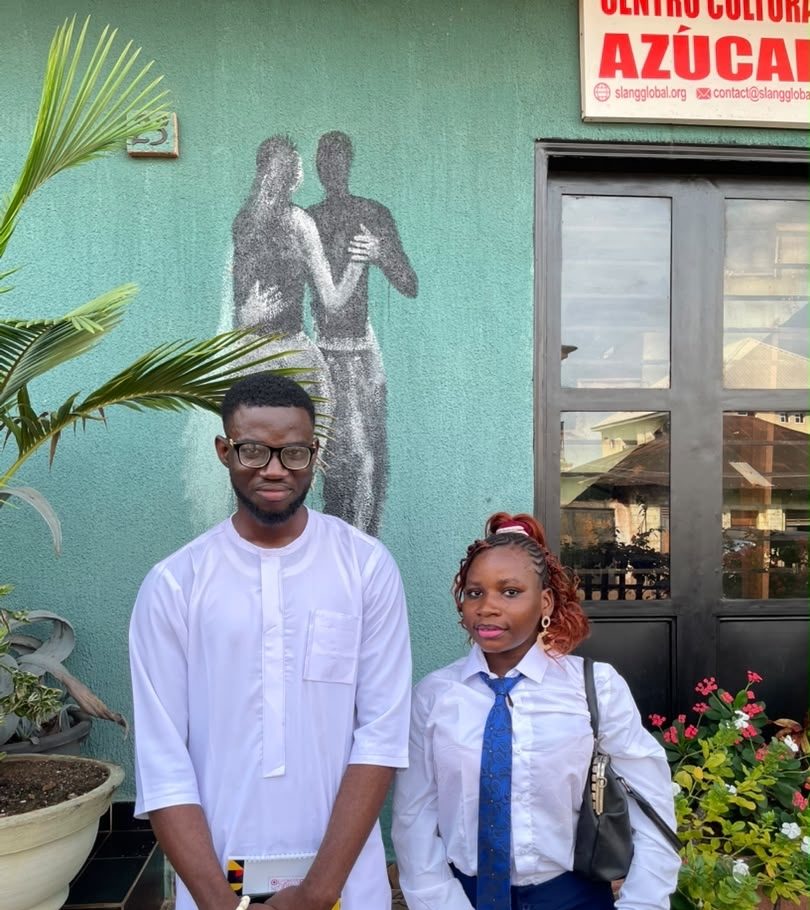
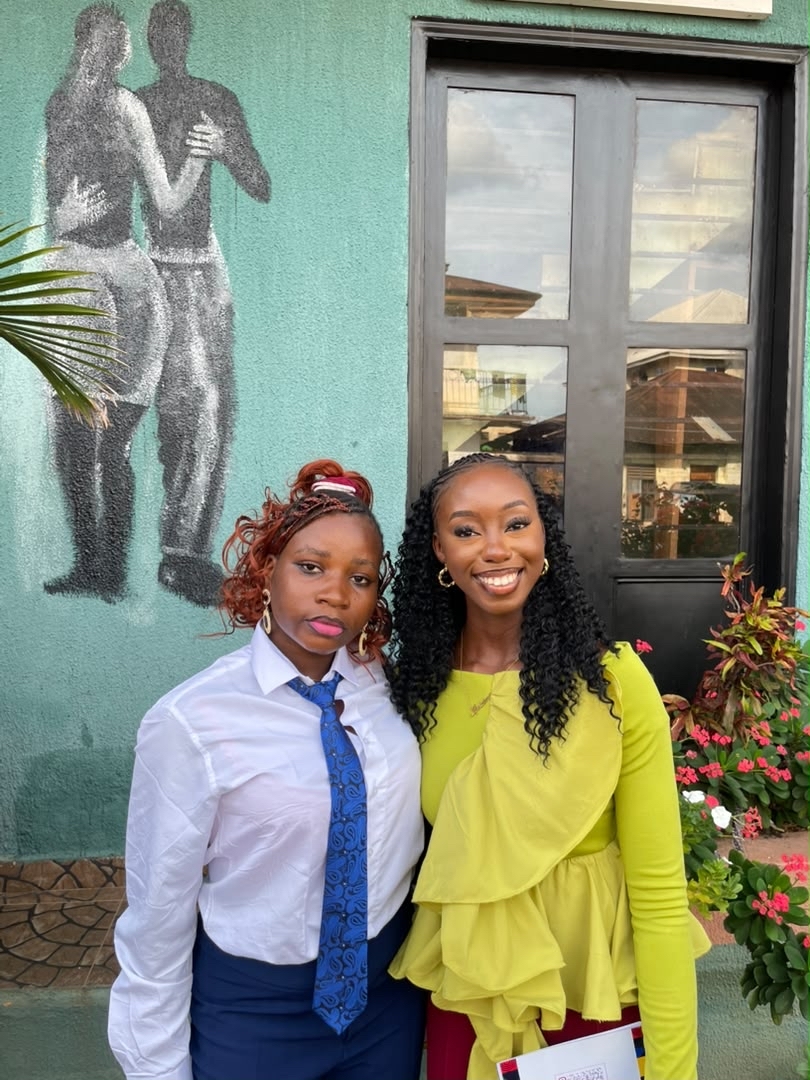
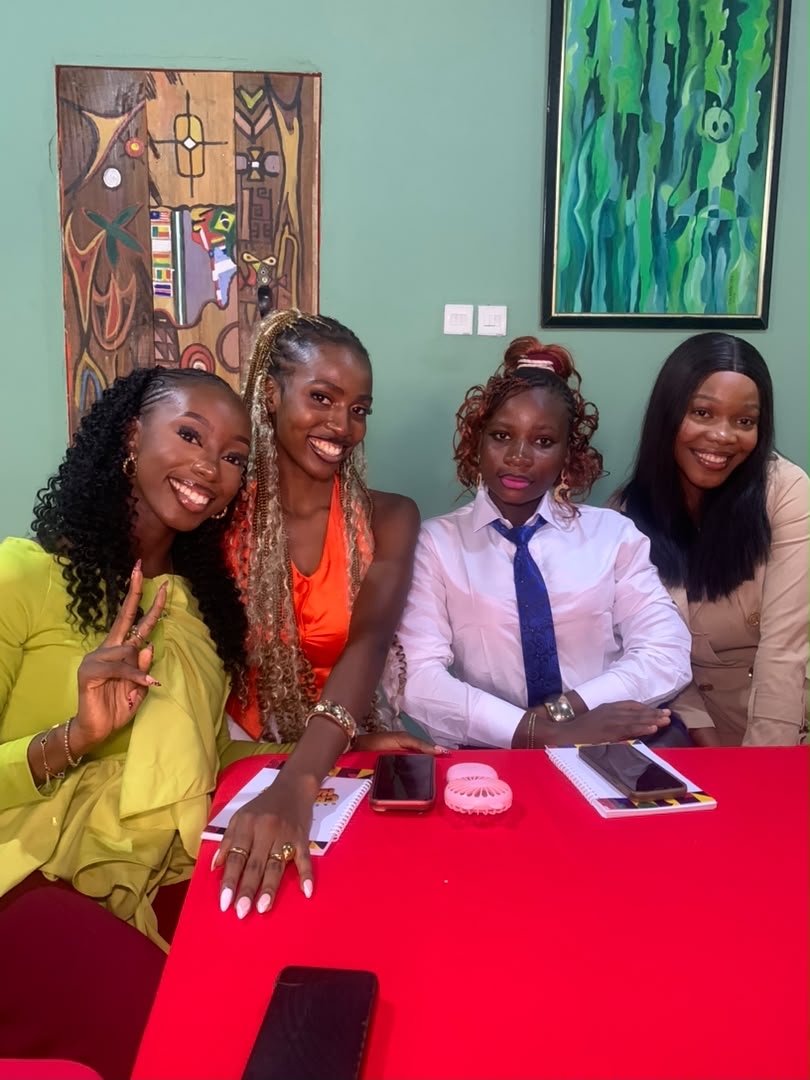
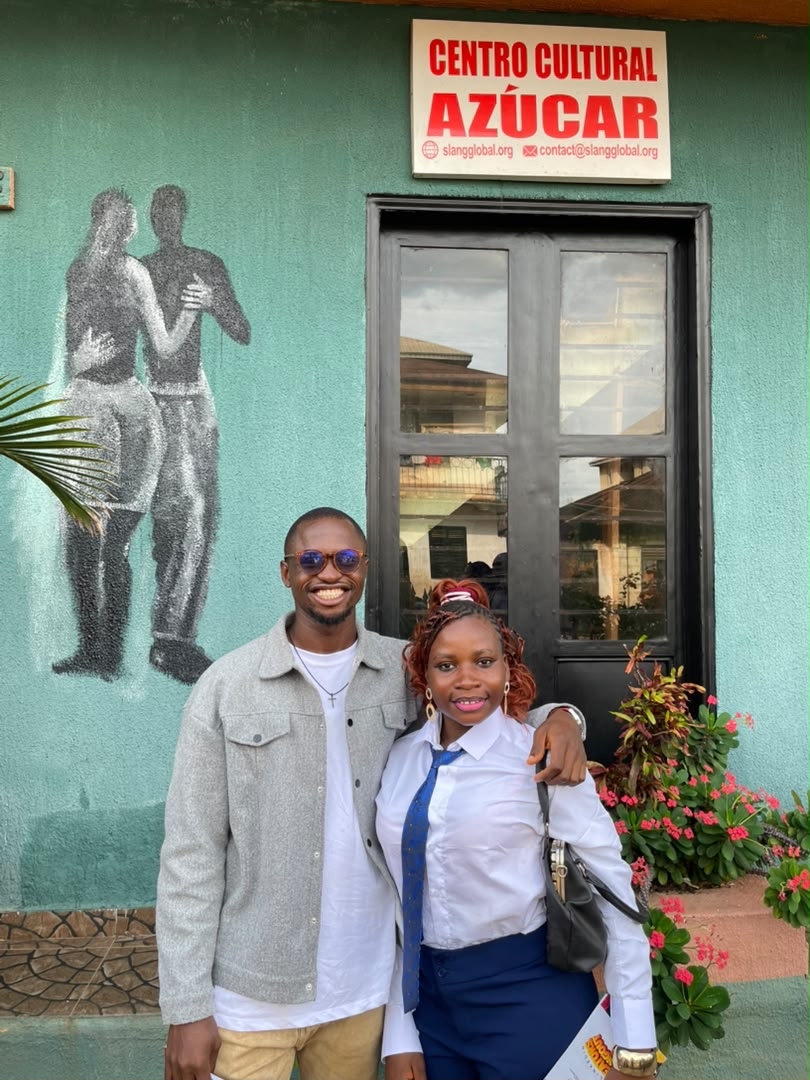
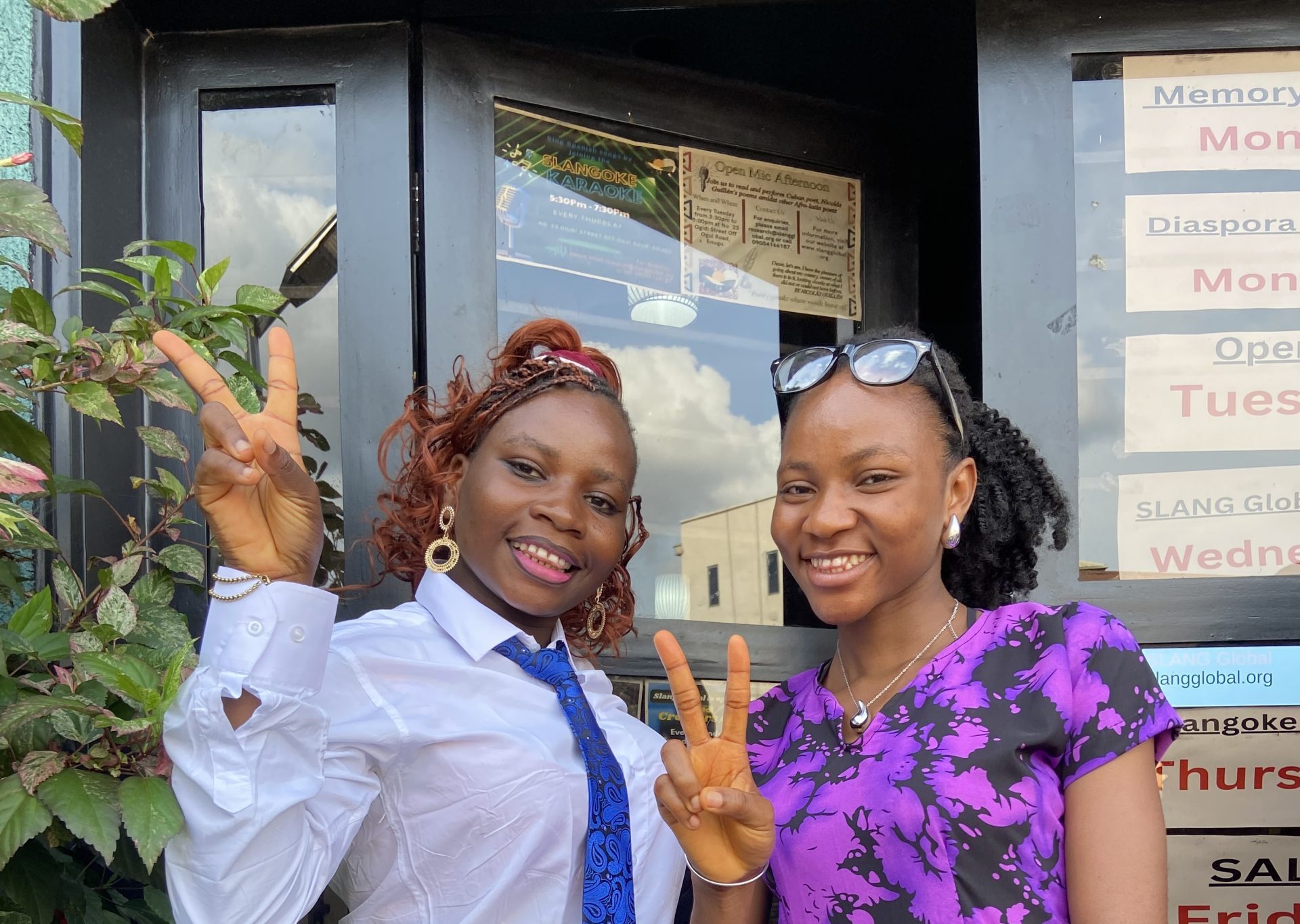
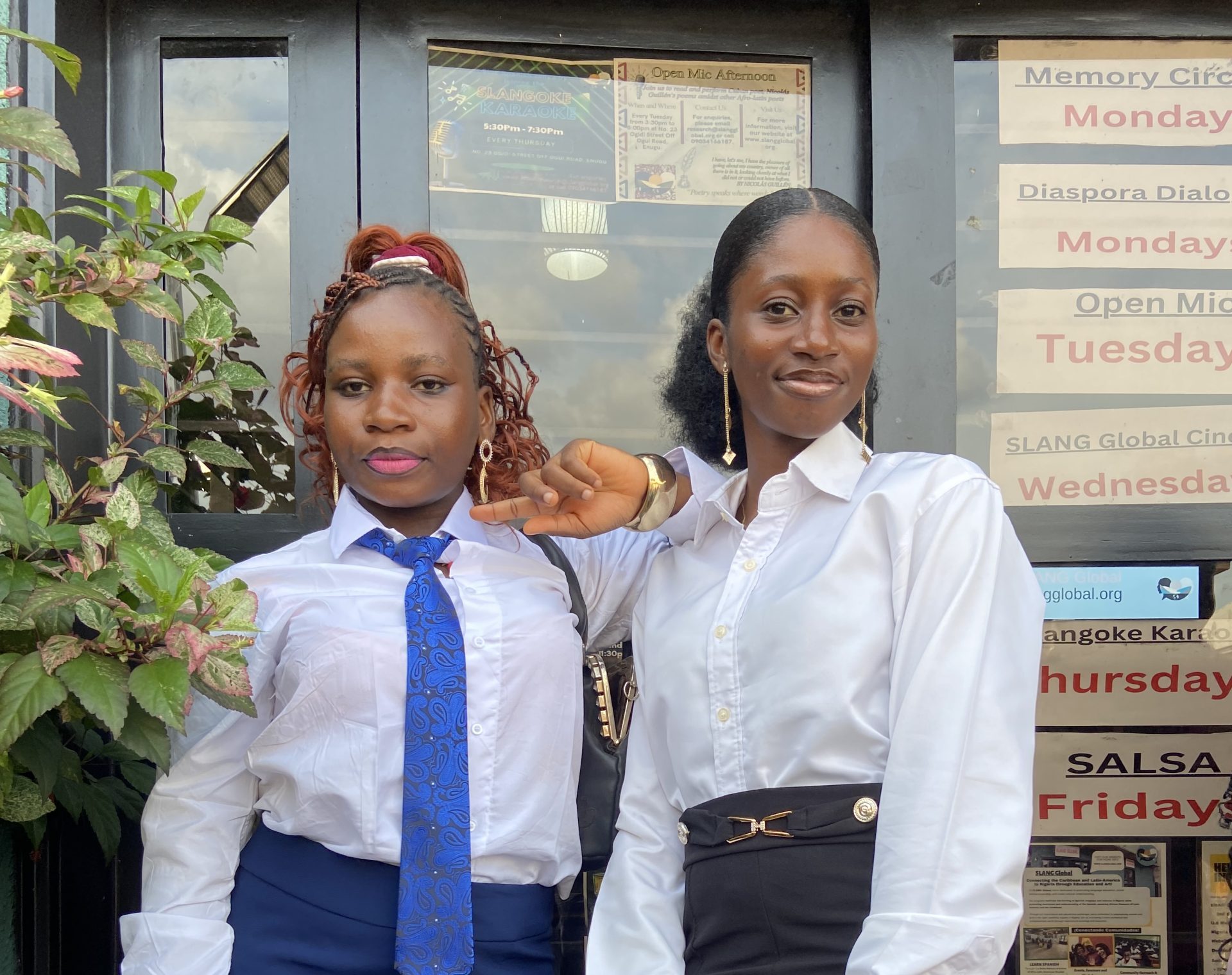
The people behind the room
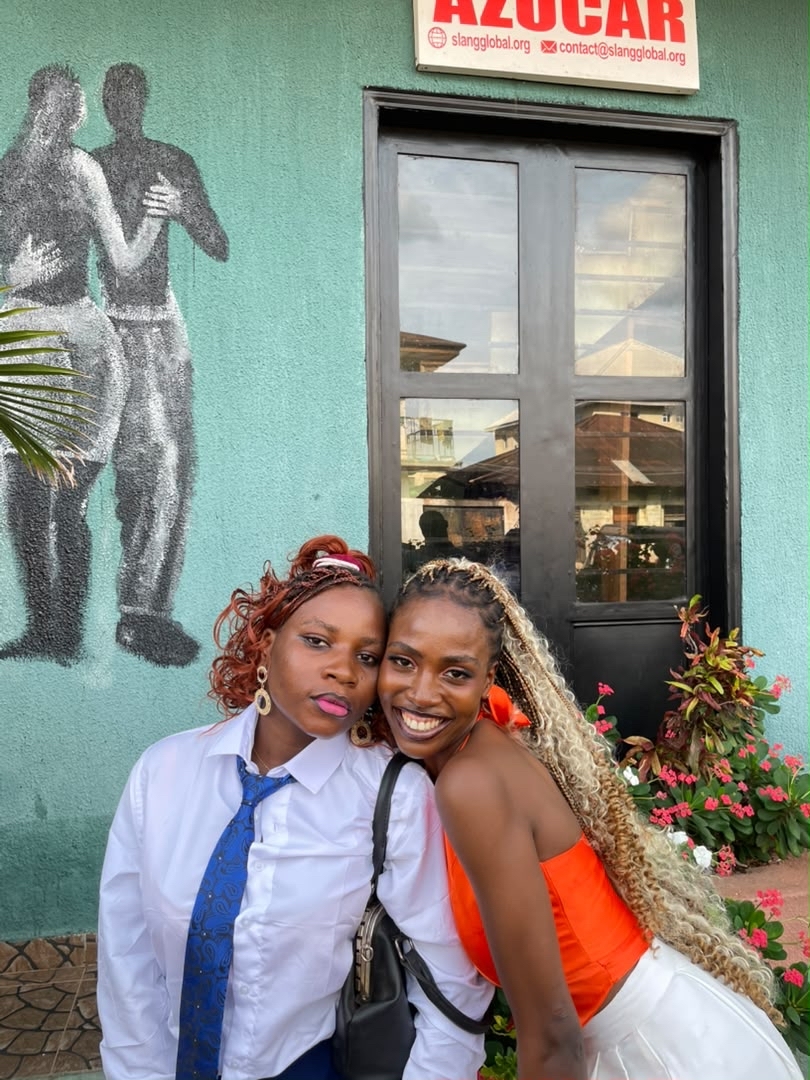
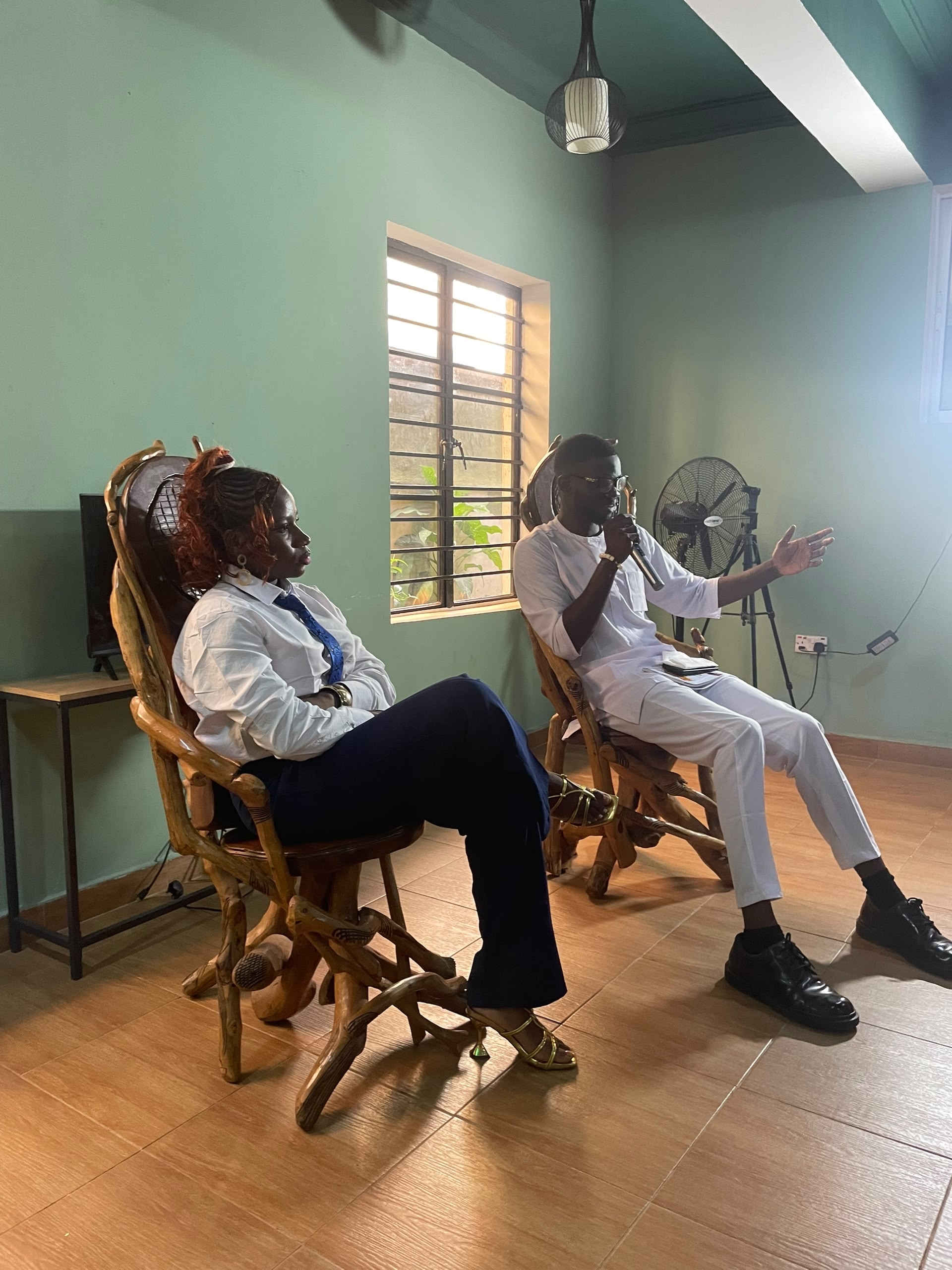
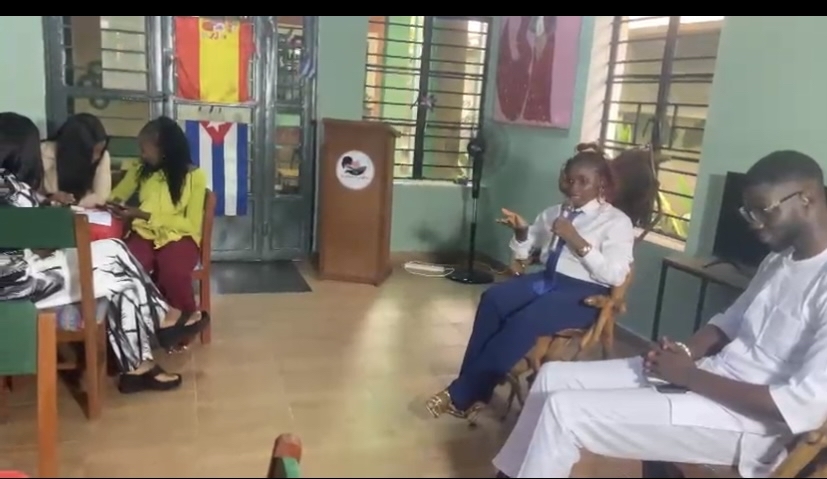
A few visual moments from the day — the conversations, introductions, photographs and community that made the gathering feel real.
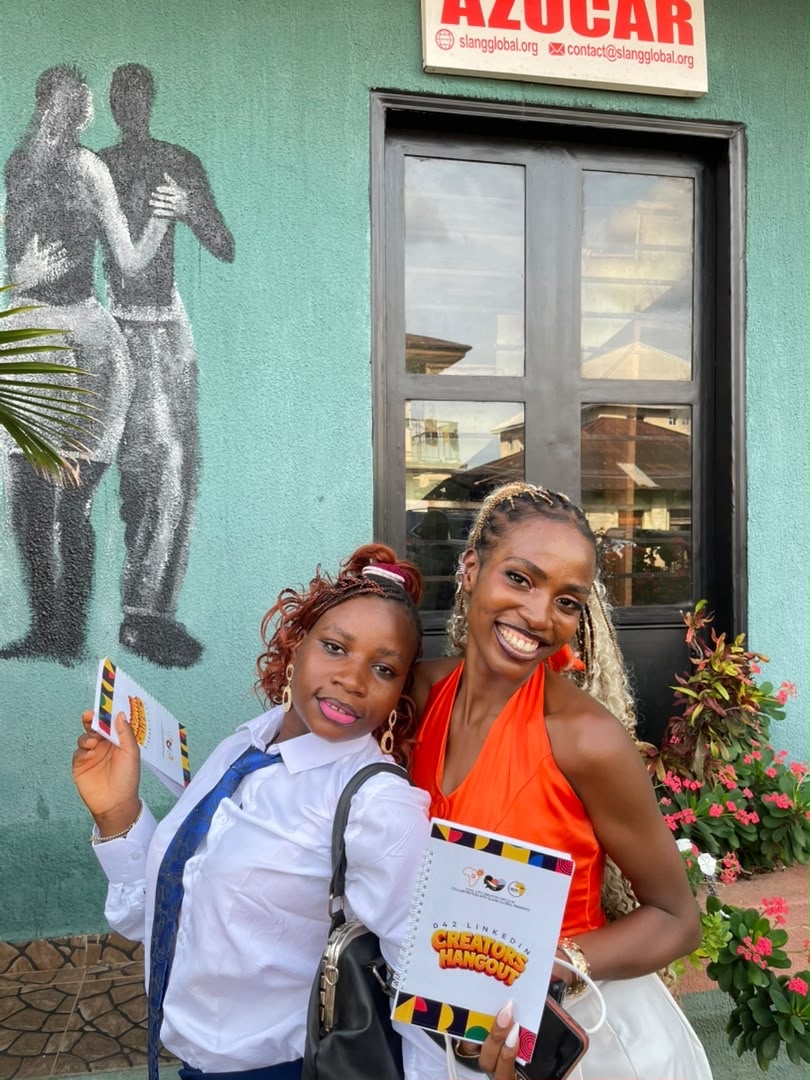
A room full of conversations
The event was not only about what happened on stage. These clips capture the movement and atmosphere around the gathering.
Building visibility is one thing. Turning it into opportunity is another.
At BridgePoint Growth & Consulting, we help businesses and professionals become clearer about what they offer, position it properly, build relationships and move toward meaningful opportunities.
Keep an eye on The Wealth Movement
Follow BridgePoint's opportunity-focused community for funding opportunities, jobs, partnerships, business opportunities, events, resources and practical intelligence.
Join The Wealth Movement →